
Kazakhstan's Domestic Producers Registry: How to Prepare Your Production Site for an e-Ondiris Inspection
To be included in the Registry of Kazakhstani Commodity Producers (KTP), a company must confirm the actual manufacture of its products, the accuracy of its documentation, and compliance with established requirements.
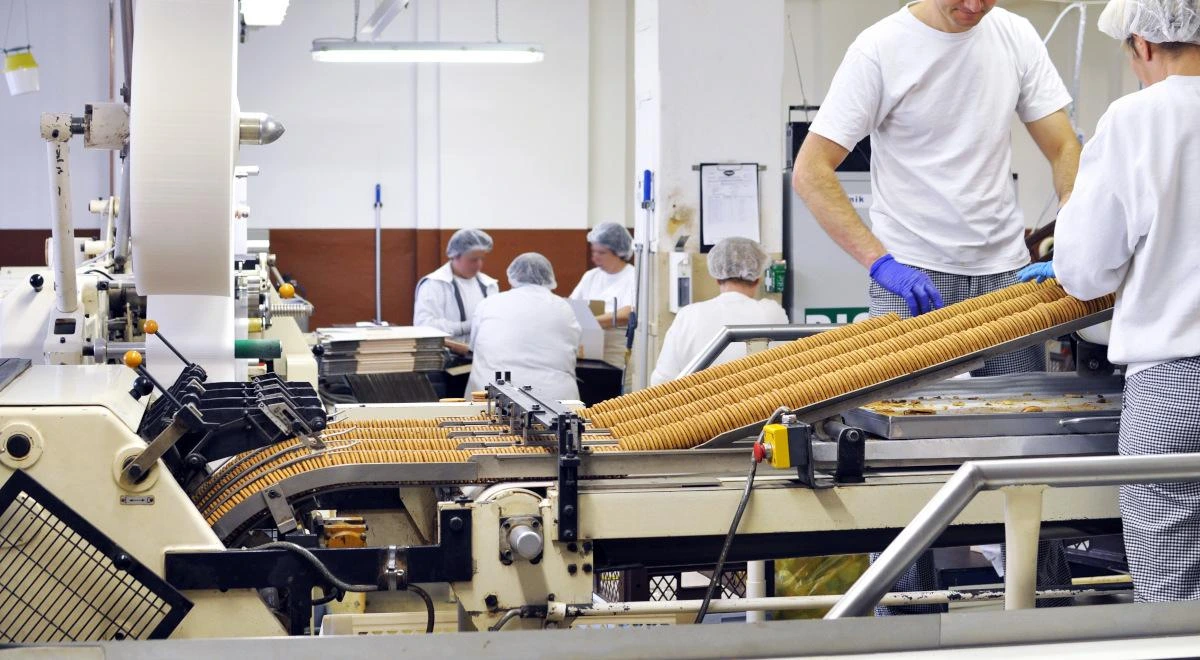
How do you prepare your production site for an e-Ondiris inspection, avoid common mistakes, and set up video surveillance correctly?
We break it down with Ulpan Kubelekova, an engineer in standardization, certification, and metrology with more than 25 years of experience. She specializes in developing regulatory and technical documentation, product certification, and implementing international management systems. She also took part in discussions of the Rules for Maintaining the KTP Registry on behalf of manufacturers.
What is the KTP Registry and why should a manufacturer join it?
The Registry of Kazakhstani Commodity Producers is a state information system containing data on manufacturers and the products they make. Its purpose is to confirm that goods are actually produced in Kazakhstan and to build a transparent list of genuinely operating manufacturers.
When preparing for inclusion in the registry, it's important to consider not only the application requirements but also whether your products, documentation, and production processes comply with current regulations.
"When consulting, we always take into account not only the requirements for including products in the registry, but also the current technical regulations, standards, and other regulatory documents that apply to the specific product and its manufacturing processes."
— Ulpan Kubelekova
How to prepare an application to the KTP Registry?
Before applying, manufacturers are advised to carry out an internal review of the company. You need to make sure the information you plan to declare in the registry matches your actual operations.
According to the expert, special attention should be paid to business transparency, timely fulfillment of mandatory reporting obligations, and having documents that confirm the purchase of raw materials, production, and sale of products.
Before applying, check the following:
— Reporting and obligations. Are mandatory obligations met on time, and are there any outstanding debts or inconsistencies in the company's data?
— Raw material documents. Can the purchase of the materials and components you use be documented?
— Production documentation. Are there proper documents confirming that the technological operations are carried out?
— Equipment and production capacity. Does the declared information match the company's actual equipment?
— Staff data. Is the information about production personnel confirmed?
— Product documents. Do they comply with applicable technical regulations, standards, and other regulatory requirements?
Such a preliminary review helps identify possible inconsistencies before applying and reduces the risk of remarks during the review.
What is checked in production and technological processes?
When a company is assessed, what matters is not just having a production site, but whether actual operations match the declared information.
Manufacturers need to make sure that technological operations are actually performed, production capacity matches the declared data, and documentation can confirm the company's activity.
Preparation for the inspection should be approached holistically: documents, equipment, staff, and actual production must all be consistent with one another.
Which mistakes can lead to rejection from the KTP Registry?
According to Ulpan Kubelekova, the main reasons for rejection fall roughly into two categories.
First — scoring results and the transparency of the company's activity.
Possible issues include outstanding debts, late or incomplete fulfillment of mandatory reporting obligations, and other inconsistencies in the company's activity.
Second — inconsistencies between production processes and documentation.
There's a risk of rejection if actual production or technological operations don't meet the requirements of applicable standards, technical regulations, and the Rules for Maintaining the Registry.
In other words, an application is assessed not only on whether production exists, but also on whether the company's activity meets established requirements.
What should a video show to confirm production?
If video is required to confirm production processes, it should clearly demonstrate the specific technological operation declared by the manufacturer.
"It's important that the video confirms precisely the performance of the relevant operation at the facility, without extra information or unrelated processes. As a rule, a short clip of about 15–20 seconds is enough, as long as the process can be clearly identified in that time."
— Ulpan Kubelekova
Are existing surveillance cameras enough for an e-Ondiris inspection?
If a company already has a video surveillance system, it can be considered for confirming production. However, you need to check whether it can provide the required format of access to the video stream.
According to Ulpan Kubelekova, a key condition is the ability to view production premises and processes online through the portal. This usually requires a static IP address to set up the necessary network access.
"If a company already has cameras installed, that may work, but it's important that the system can provide online access to the stream. As a rule, this requires a static IP address so that production premises and processes can be viewed in real time through the portal. So the key point here is enabling online viewing."
— Ulpan Kubelekova
What if the video doesn't confirm production?
If the materials don't make it clear that production really exists, don't confirm the declared processes, or the online stream is unavailable, inspectors may have questions. In that case, remarks or rejection are likely until the inconsistencies are resolved.
Manufacturer's checklist before applying to the KTP Registry
To wrap up, Ulpan Kubelekova recommends that manufacturers answer five key questions.
1. Does the company's actual activity match the information that will be declared in the KTP Registry?
2. Are tax, accounting, and other mandatory reporting obligations met on time, and are there no outstanding debts?
3. Are production and technological processes carried out in line with applicable requirements?
4. Are the purchase of raw materials, production, and sale of products documented?
5. Are records on personnel, production equipment, and other elements confirming the company's real activity properly prepared?
"If a manufacturer can confidently answer yes to these key questions, the risk of remarks during the application review is significantly reduced."
— Ulpan Kubelekova
How to prepare video surveillance for an e-Ondiris inspection?
Video surveillance can be an important part of preparing a production site when the production confirmation procedure calls for it. Simply installing cameras isn't enough — you need coverage of the right areas and the required access to the video stream.
Protector AI helps companies prepare a video surveillance system designed for passing an e-Ondiris inspection. The solution is tailored to the specifics of the production site and the technological processes that need to be demonstrated.
If you're preparing to apply to the Registry of Kazakhstani Commodity Producers, find out how to set up video surveillance to confirm your production.
Learn more about installing the Protector AI system: ktp.protectorai.kz/ru
Written on 13.10.2026. Article prepared by ProtectorAI with the support of Ulpan Kubelekova, engineer in standardization, certification, and metrology.